What Forest Bathing Actually Is
Shinrin-yoku, translated as "forest bathing", is the Japanese practice of slow, sensory-attuned time in a forest, conducted as a structured walk rather than a destination hike. Sessions typically run 90 minutes to 3 hours; pace is roughly half a mile an hour; the activity is observation rather than mileage.
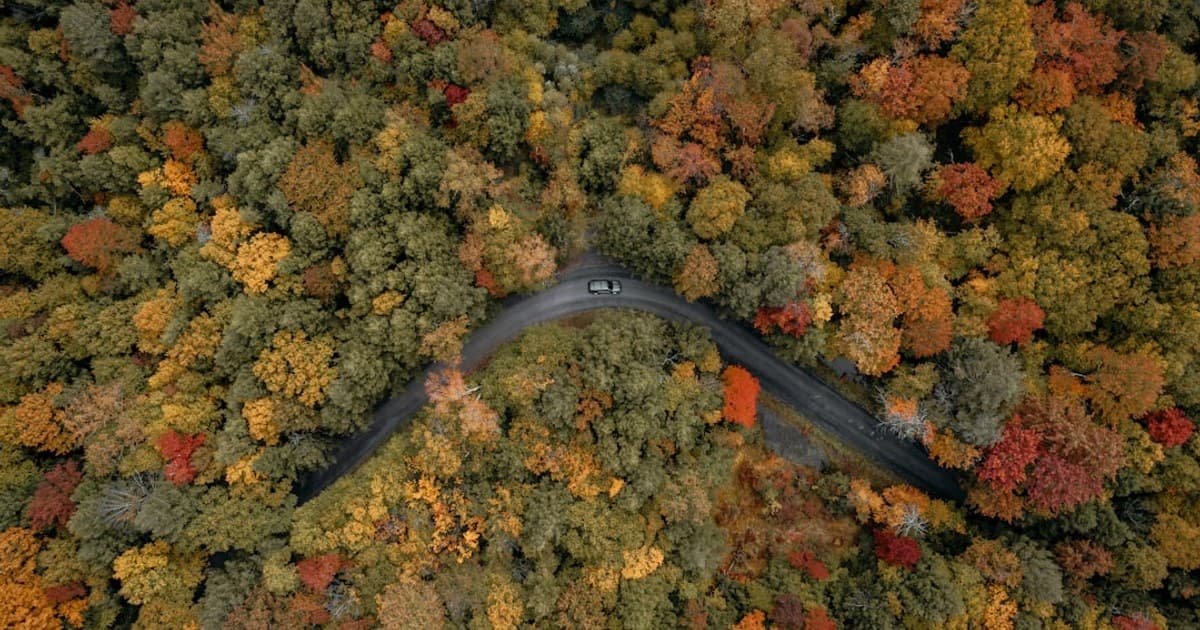
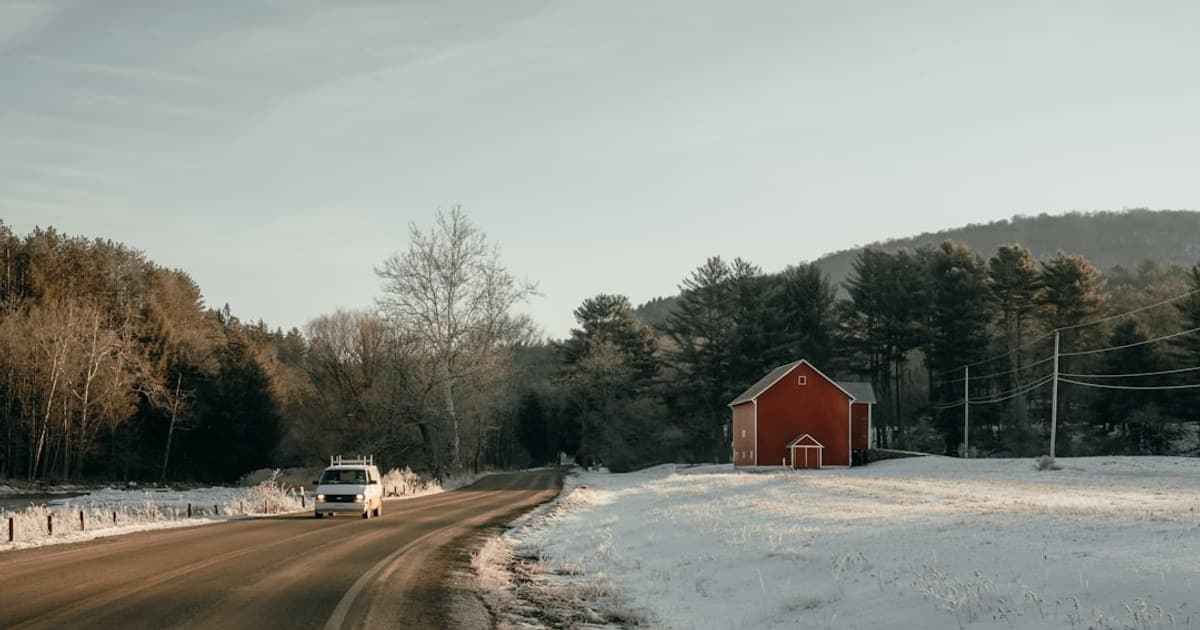
The Catskills are a strong fit because the forest preserve land is extensive, the tree mix (eastern hemlock, sugar maple, yellow birch, red oak) is dense and varied, and the elevation gives you everything from creek-bottom walks to ridge-top hemlock cathedrals.
Guided Sessions — Who Runs Them
A handful of practitioners run guided forest-bathing sessions in the central Catskills. The format is consistent: small groups (4–8 people), morning starts, a structured set of "invitations" that direct attention rather than information about what you're seeing.
Search "forest bathing" + the town name (Phoenicia, Tannersville, Big Indian) for current practitioners. The space is small enough that a quick search and direct booking is more reliable than a single aggregating directory. Sessions typically run $40–$90 per person.
Self-Guided Locations
For self-guided forest bathing — slow walks at deliberately reduced pace, with phones away and attention on sensory detail — the standout Catskills locations include:
- Esopus Creek Walk near Mount Tremper. Flat, water-side, hemlock and yellow birch canopy. ~2 miles round-trip.
- Giant Ledge approach in the Slide Mountain Wilderness. Rocky but well-marked; the lower mile before the climb steepens is dense old-growth-style forest. Walk in, sit, walk back.
- Stony Clove between Phoenicia and Tannersville. Boulder field below the road; cool microclimate; deeply mossy.
- Kaaterskill Falls bottom approach. The lower section before the falls has hemlock-and-rhododendron understory. Crowds matter — go early or off-season.
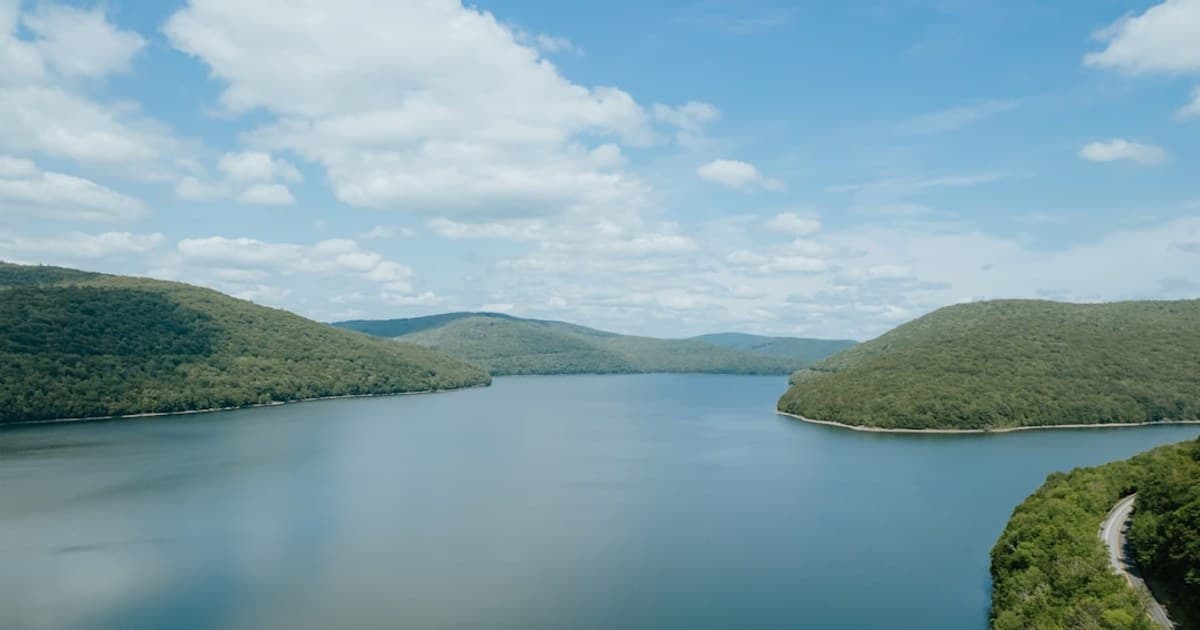
- Pepacton Reservoir north shore (Margaretville to Andes side). Walk-out points along Rt 30 with creek-side mixed-hardwood approaches.
How to Pace a Forest-Bathing Weekend
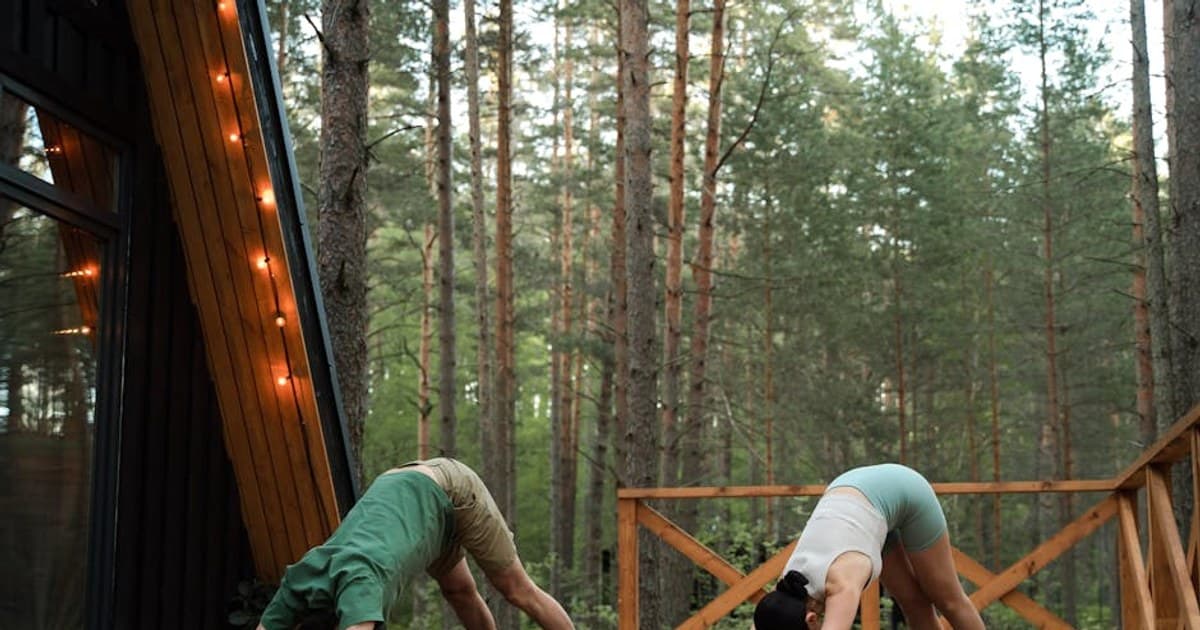
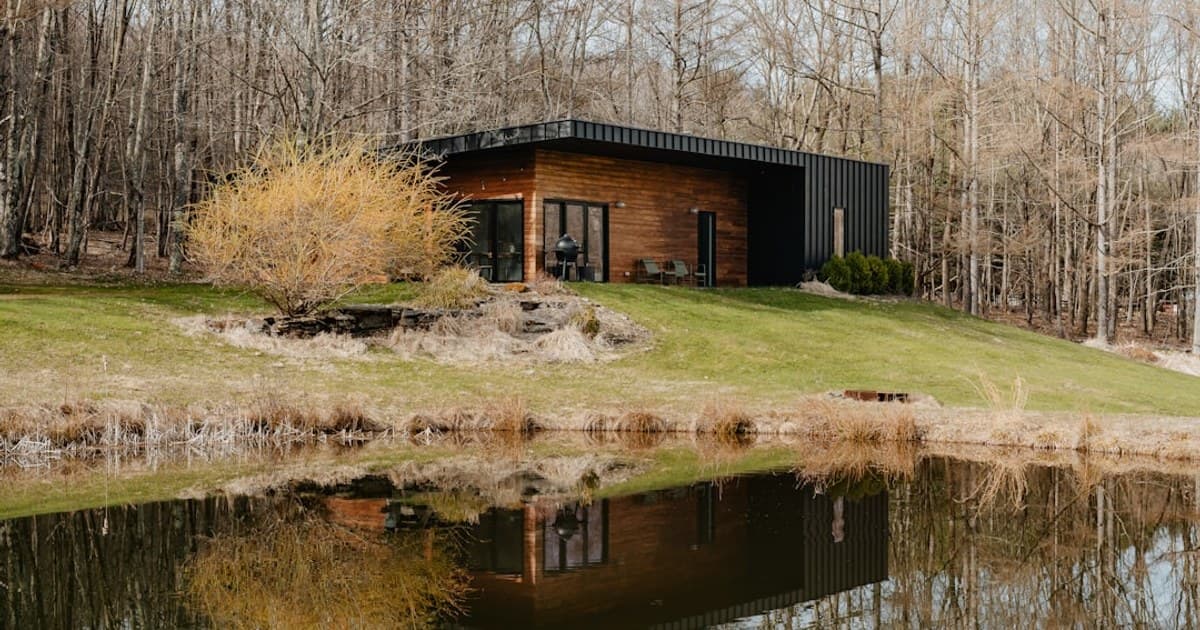
The full version: Friday-night arrival, Saturday-morning guided session (booked ahead), Saturday-afternoon self-guided walk in a different forest type, Sunday-morning slower self-guided walk near the lodging, drive home Sunday afternoon.
The lighter version: skip the guided session, do two self-guided walks at slow pace over Saturday and Sunday morning, and plan the rest of the weekend (food, lodging, downtime) around staying near walking access.
For adults 21+: New York state law prohibits cannabis consumption on state-owned land and in public spaces. The Forest Preserve doesn't make exceptions, and the practice itself is a clear-headed one.
Where to Buy
For a forest-bathing weekend centered on Phoenicia / Mount Tremper / Big Indian:
- HERbal in Woodstock — closest licensed shop to the Phoenicia / Mount Tremper corridor
For weekends centered on Tannersville / Hunter or the eastern escarpment:
- Wintergreen in Tannersville — direct on the eastern side
What the Practice Is Not
Forest bathing is not hiking. The point is not summit, mileage, or efficient route — those are different practices. It's also not a cure-all and we make no medical or therapeutic claims. Some adults describe a shift in pace and presence after a session; others find it unremarkable. Personal practice.
What it is, reliably, is a different way to use a Catskills weekend than the standard summit-and-cabin rhythm. For a slower-paced visit specifically built around presence rather than miles, the Catskills' forest density makes it one of the better Northeast options.
Theo, Editorial Team
Theo covers wellness, effects, and how cannabis fits into specific health and lifestyle goals. Their writing covers medical cannabis programs, sleep and stress, dosing for newer consumers, and the practical patient-facing side of legal markets — from New York's adult-use program to Puerto Rico's medical-only framework.