A region built for slowing down
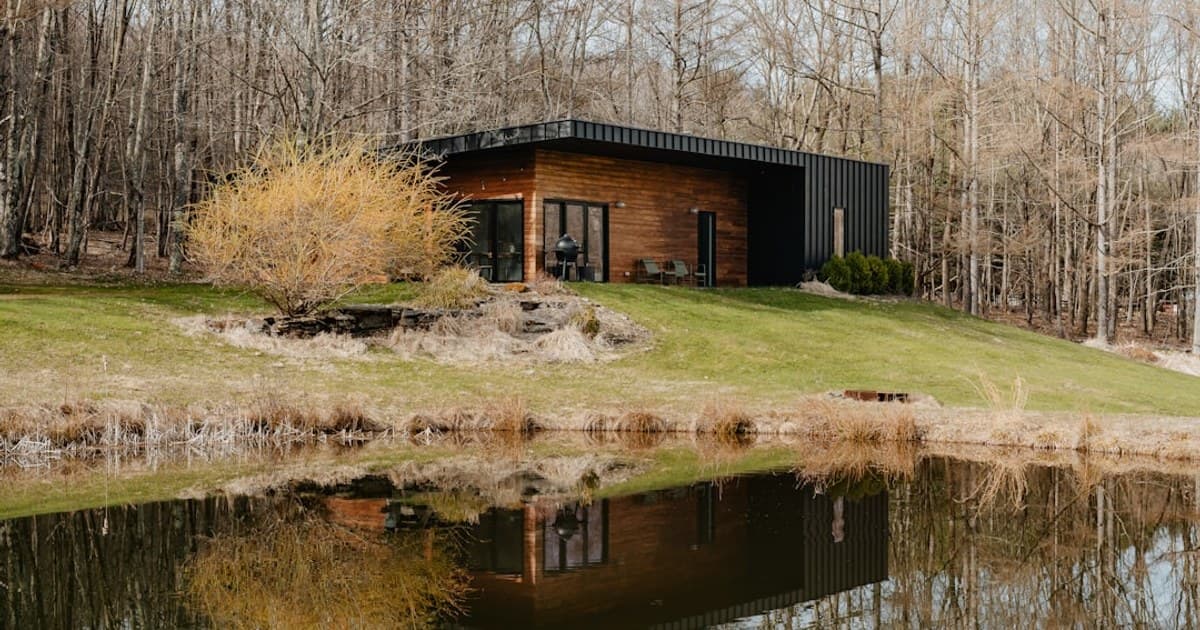
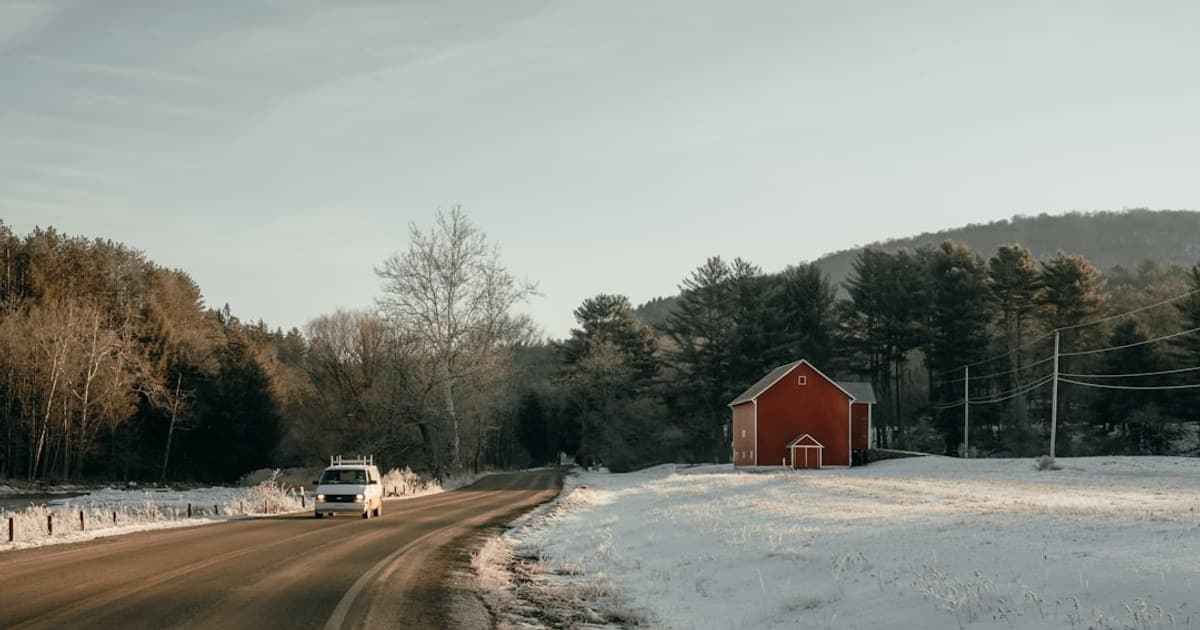
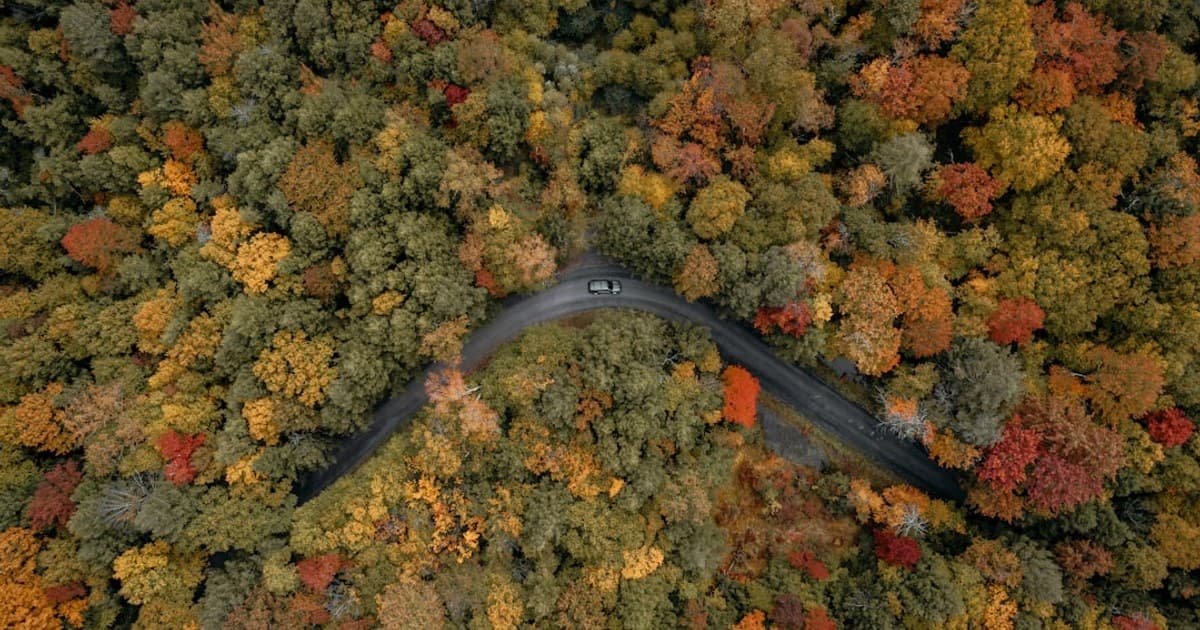
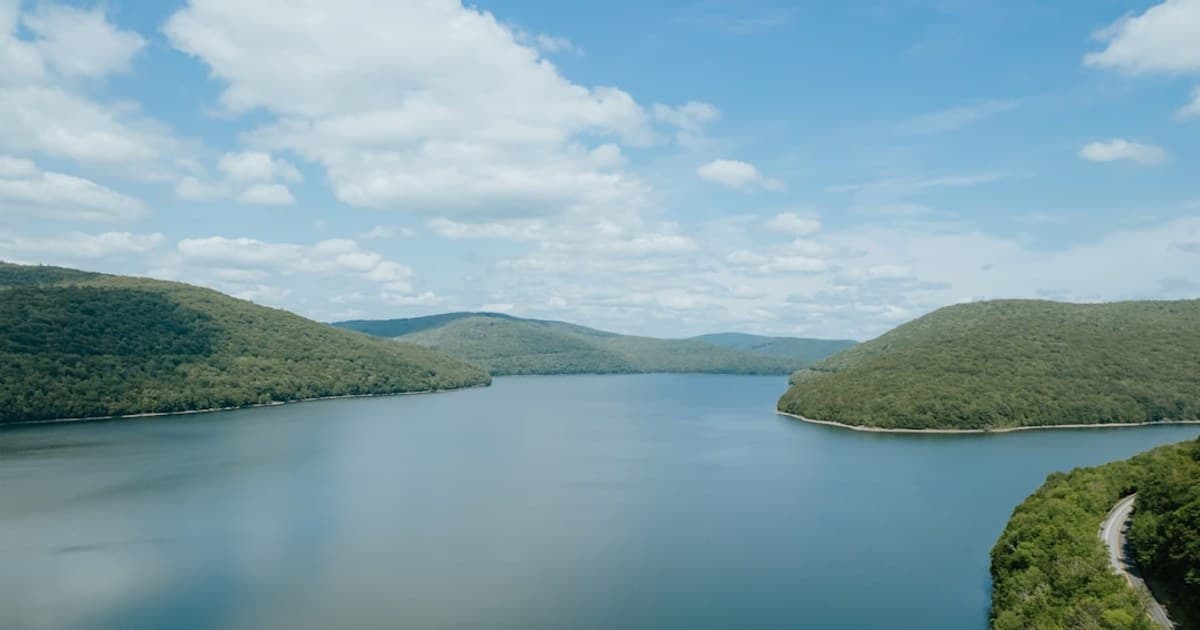
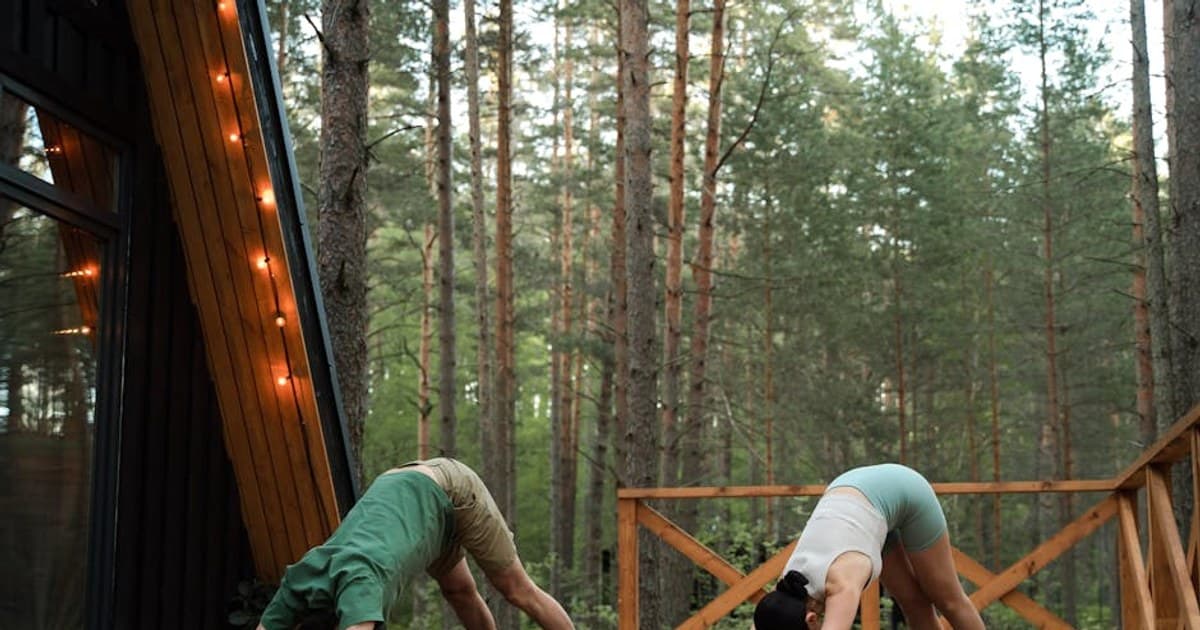
The Catskills have been a retreat destination for well over a century. In the 1890s, the great Victorian mountain houses above Kaaterskill Clove were where New Yorkers went to breathe; by the mid-twentieth century, the Yiddish-speaking bungalow colonies of Sullivan County carried that same instinct forward. Buddhist teachers arrived in the 1970s and built monasteries in the hemlock forests above Mount Tremper. Today, the heirs of all three traditions coexist: restored mountain inns, working monasteries with laity weekend programs, small yoga studios in Woodstock, and a constellation of cabins & colonies tucked along the Esopus, the Beaverkill, and the West Kill.
Legal, licensed adult-use cannabis is a newer arrival, with licensed shops now operating in the same towns as the studios. For adults 21+ planning a retreat weekend, the useful question is where the boundaries sit.
The boundary, stated first
Before anything else: almost every residential retreat center in the Catskills is a no-cannabis-on-premises environment. Buddhist monasteries follow the Fifth Precept, which traditionally counsels against intoxicants during practice periods. Yoga retreats in the Krishnamacharya and Iyengar lineages treat the retreat container as substance-free. Even secular wellness retreats typically include a line in their registration materials prohibiting cannabis, alcohol, and other substances on the grounds.
The rule of thumb, then: the retreat is where the practice happens, and it is substance-free unless the center says otherwise in writing.
And the legal line, stated plainly: New York state law prohibits cannabis consumption on state-owned land and in public spaces. That means not on the trail, not at the trailhead, not in the parking lot at the monastery, not on the porch of a shared Airbnb whose host has a no-smoking clause. Private property, with the owner's permission, is the only legal setting.
The retreat geography
Menla Mountain Retreat (Phoenicia, Ulster County) sits at the end of a long dirt road in a high valley once walked by Tibetan teachers invited by Robert Thurman. The property is operated by Tibet House US and hosts residential programs that range from silent meditation weekends to Chenrezig compassion practice intensives and medical-qi-gong trainings. It is fully residential, meals are taken together, and the dharma hall is the center of the weekend. Cannabis is not part of the container. Book a cabin in Phoenicia proper for the nights on either side.
Zen Mountain Monastery (Mount Tremper, Ulster County) offers weekend residential programs for adults 18+ that follow the traditional monastic schedule: zazen before dawn, work practice, formal meals. First-timers are welcome through their introduction-to-Zen-training weekends. The monastery also runs a more flexible affiliate, the Zen Center of New York City, but the Mount Tremper campus is where the residential practice lives. Again, on-site use is not part of the program.
Eastwind (Windham and Oliverea) occupies a different register, Scandinavian-inspired cabins and lodge rooms built around wood-fired saunas, cold plunges, and spa service. It is not a silent retreat; it is a wellness-forward hotel, and the long hot-cold sauna cycle is the draw.
Spruceton Inn (West Kill) is a small eight-room inn in a narrow valley flanked by state forest. The owners sometimes host yoga and writing weekends. There is no retreat hall, but the whole property has the feel of one, and the inn is walking distance from miles of trail.
Full Moon Resort (Big Indian, Ulster County) rents cabins and occasionally hosts music and wellness events along the Esopus. It works best for groups planning their own retreat programming rather than as a drop-in center.
For studio-based practice rather than residential, Sadhana Yoga and the Mama O's community in Woodstock anchor the regular weekly schedule. A day-trip retreat built around a long studio class, a walk, and a quiet cabin evening is a valid version of all this.
Planning a weekend that actually works
The sequencing matters more than people expect. A workable template:
Book the cabin first, the retreat second. Retreat registrations often close out weeks in advance; cabins within a reasonable drive of the retreat center book out on the same schedule. Work the two calendars together. For Menla or Zen Mountain Monastery, look for cabins in Phoenicia, Mount Tremper, or Shandaken. For an Eastwind weekend, look at Margaretville or nearby hamlets if their own rooms are full. For a studio-led weekend in Woodstock, the hamlet and the surrounding hills have the densest cabin inventory in the region.
Day one: arrive and settle. Get in before dark if you can. Groceries, a walk, a simple dinner at the cabin. Anything bought on the way up rides sealed in its original packaging.
Day two: the retreat day. Leave the cabin with a clear head. Bring water, layers, whatever the program requested. Do not bring cannabis onto the property. Return to the cabin in the evening and let the day settle.
Day three: slow morning, cabin decompression, drive home. Skip the extra errands. The purpose of the weekend is the integration.
Buying, and the label basics
Low-dose edibles (2.5 mg to 5 mg of THC per serving) are the most common starting point for adults new to the regulated market, and the standard guidance applies: start low, go slow, wait at least two hours before considering more. Tinctures offer tighter dose control than flower. Vapes are convenient but tend to encourage heavier use than intended.
What never works: arriving at a retreat center impaired, or consuming in public space. No product here treats, cures, or prevents anything. If you have a health condition or take medication, talk to your doctor before adding cannabis to the weekend.
HERbal Woodstock is worth calling out for this audience. The shop is organized apothecary-style, and co-owner Melissa Gibson co-founded the Hemp & Humanity CBD shop at the same Woodstock address back in 2020. Staff are used to wellness-minded questions and comfortable walking newcomers through low-dose options.
Dispensary stops by route
Woodstock hub. If your weekend centers on the eastern Catskills, Menla, Zen Mountain Monastery, Eastwind Oliverea, a Woodstock studio day, the natural stops are HERbal Woodstock in the hamlet itself and Back Home Cannabis Co. on Route 213 in Stone Ridge. Back Home is one of the rare New York micro-business licensees, meaning the flower on their shelf is grown on the owners' own farm in nearby High Falls and hand-trimmed in-house.
Western side. For a weekend oriented around Margaretville, the West Branch of the Delaware, or the quieter Livingston Manor corner, Lively Harvest in Margaretville is a small-batch, sustainability-focused micro with a careful, well-curated shelf.
Buy on the way in, not on the way out, so the errand isn't hanging over the retreat day.
Legal and practical checklist
- Adults 21+ only. Bring a physical ID; dispensaries verify every visit.
- Buy from licensed retailers only. Every legal New York dispensary displays the OCM QR code verification sticker at the entrance, if there is no sticker, walk out.
- New York state law prohibits cannabis consumption on state-owned land and in public spaces. Consumption is legal only on private property, with the owner's permission.
- Confirm your cabin or inn's cannabis policy in writing before you arrive. Many allow edibles but prohibit smoking; some prohibit everything.
- Never drive after consuming.
- Start low, go slow, especially with edibles.
- Treat the retreat property as substance-free unless you have written confirmation otherwise.
- Leave the place as quiet as you found it. That is the whole point of coming up here.
Theo, Editorial Team
Theo covers wellness, effects, and how cannabis fits into specific health and lifestyle goals. Their writing covers medical cannabis programs, sleep and stress, dosing for newer consumers, and the practical patient-facing side of legal markets — from New York's adult-use program to Puerto Rico's medical-only framework.