A Non-Medical Wellness Perspective
This article is editorial, not medical. We are not making any medical claims about cannabis. We are not telling you it treats, cures, or prevents anything. If you have a health condition you are trying to address, talk to a licensed healthcare provider before adding or changing any wellness routine — consult your doctor.
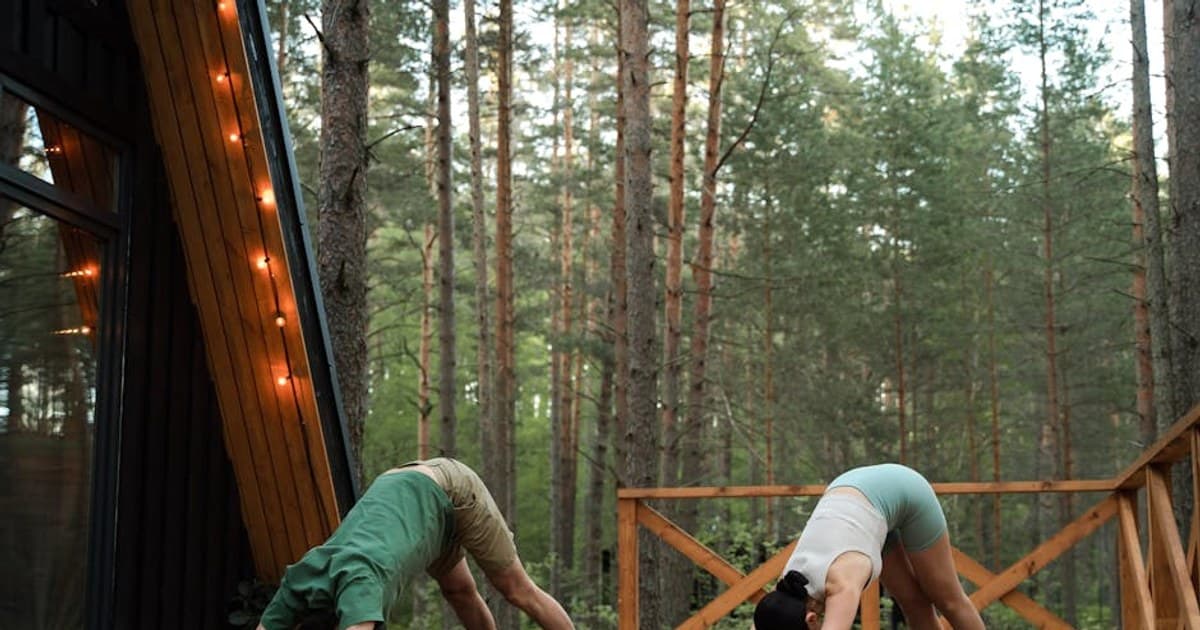
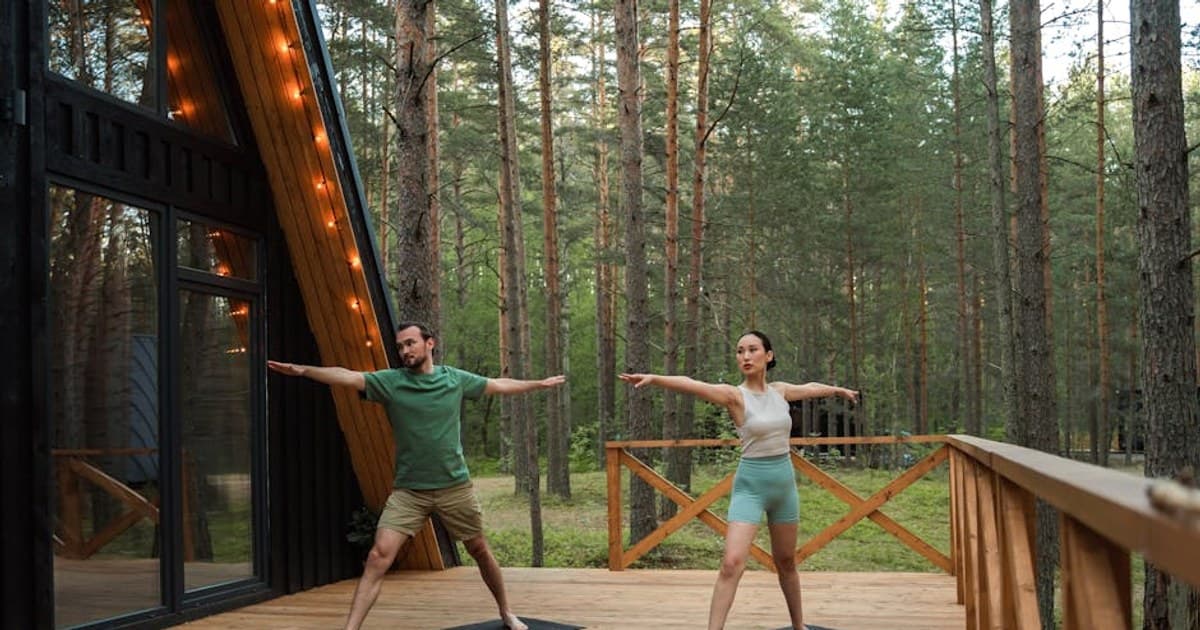
What we can do is write honestly about the conversation happening in the Hudson Valley and Catskills wellness community, the yoga studios in Woodstock and Phoenicia, the retreat centers in Kerhonkson and West Kill, the nutritionists and practitioners serving an audience that is 21+, wellness-oriented, and increasingly cannabis-curious. That conversation is real, and the questions people ask are worth engaging with carefully.
What People Actually Ask
The two queries that drive the most reader email in this space are roughly:
- "Will cannabis help me sleep?"
- "Will cannabis help me with stress?"
Both are deeply personal questions, and the honest answer to both is that individual response varies significantly and the research base is still developing. Some users describe low-dose, non-inhaled products as part of an evening; others find the opposite, that certain products disrupt sleep or increase anxiety. There is no universal playbook, and nobody selling cannabis products in New York is permitted to tell you there is.
What the Regulatory Frame Looks Like
Under New York law, state-licensed cannabis retailers, the only legal option for adult-use product in 2026, cannot make medical claims about their products. Budtenders are trained to describe products by format, cannabinoid content, and terpene profile, not by promised outcomes. That is the correct framing for consumers too.
If you are thinking about cannabis in a wellness context:
- Treat it as one variable among many, not a replacement for sleep hygiene, movement, or professional care.
- Talk to a licensed healthcare provider, especially if you take prescription medications, are pregnant or nursing, or have a history of anxiety, depression, or substance use disorder.
- Buy only from state-licensed retailers verified through the OCM QR-code system at cannabis.ny.gov.
How Hudson Valley Practitioners Are Framing It
The yoga and retreat community in the region has shifted in the past few years toward what practitioners call a "mindful consumption" framing. The core ideas, in the words used by several Woodstock and Phoenicia instructors we've spoken with:
- Intention before product. Know why you are reaching for something before you buy.
- Start low, start non-inhaled. For most wellness-curious adults, microdose edibles and low-dose tinctures are the entry point, easier to control and less performative than flower.
- Don't replace. Cannabis is not a substitute for a wellness routine or for professional care.
These are practitioners' framings, not medical advice. They echo the "start low, go slow" language the Office of Cannabis Management puts on its public education materials.
Sleep, Specifically
Sleep is the single most-asked-about use case in our reader mail. Some general things it's reasonable to say out loud:
- Individual response varies. User reports run in both directions, and higher doses or certain product profiles are more often described as disruptive.
- THC-dominant products are not sleep aids. They are psychoactive products that some users incorporate into an evening routine. There's a difference.
- Tolerance and dependence are real. Regular high-dose use can affect sleep architecture over time. The Office of Cannabis Management flags this in its consumer education materials.
- Alcohol interactions. Combining cannabis with alcohol is its own risk profile and is not a wellness practice.
If sleep is a persistent issue, see a doctor. No cannabis product should be the first line of attention for chronic insomnia.
Stress, Specifically
Stress and anxiety are more variable. The research is mixed and sometimes contradictory, low doses of some products appear, in some studies, to correspond to reduced self-reported anxiety in some subjects, while higher doses appear to correspond to increased anxiety and, in rare cases, panic. That is not a license to self-medicate.
The practitioners we talk to in the Hudson Valley are uniformly cautious here. The short version of what they tell wellness-curious clients:
- If anxiety is why you're thinking about cannabis, see a therapist first. Cannabis is not an anxiety treatment.
- If you already have an anxiety diagnosis, tell your prescribing physician before adding cannabis to your life. There are interactions worth knowing about.
- Non-cannabis tools remain the first line. Movement, breathwork, therapy, sleep, and social connection are the core of the wellness stack in the Hudson Valley retreat community. Cannabis, if it shows up at all, is a small part.
Cannabis and a Hudson Valley Wellness Weekend
Retreat operators are clear on one point: cannabis stays off retreat grounds unless a center says otherwise in writing. Our yoga-retreat guide covers the substance policies at the region's centers. Consumption is legal only on private property with the owner's permission, which at a cabin in the western Catskills means the host's written policy. New York state law prohibits cannabis consumption on state-owned land and in public spaces, which covers every trail in the Catskill Forest Preserve.
The Hudson Valley's wellness audience is not looking for a miracle, they're looking for a considered, unhurried relationship with a regulated product, alongside a doctor's counsel and a life that isn't structured around consumption.
If You're Going to Try Something
The small, practical checklist we send readers who ask:
- Talk to your doctor first. Especially if you are on any prescription medication.
- Start low, go slow. For edibles, 2.5 mg THC is a reasonable starting point for many adults new to the regulated market; wait two hours before considering more. See our edibles dosing guide.
- Licensed retailers only. The OCM verification system exists for a reason; use it.
- Read the label. Know the cannabinoid content, the dose per serving, and the test date. See how to read a cannabis product label.
- Keep a simple log. A notes-app entry per product, what you took, when, how you felt, what else was going on, tells you more than the label will.
Where to Go Next
- Cannabis yoga retreats in the Catskills
- Cannabis-friendly cabin stays in the Catskills
- Edibles dosing guide for beginners (NY)
- How to read a cannabis product label in New York
- Is weed legal in New York in 2026?
This article is editorial, not medical. If you have a health condition or take medication, consult your doctor before making changes to your wellness routine.
Theo, Editorial Team
Theo covers wellness, effects, and how cannabis fits into specific health and lifestyle goals. Their writing covers medical cannabis programs, sleep and stress, dosing for newer consumers, and the practical patient-facing side of legal markets — from New York's adult-use program to Puerto Rico's medical-only framework.