The Catskill School
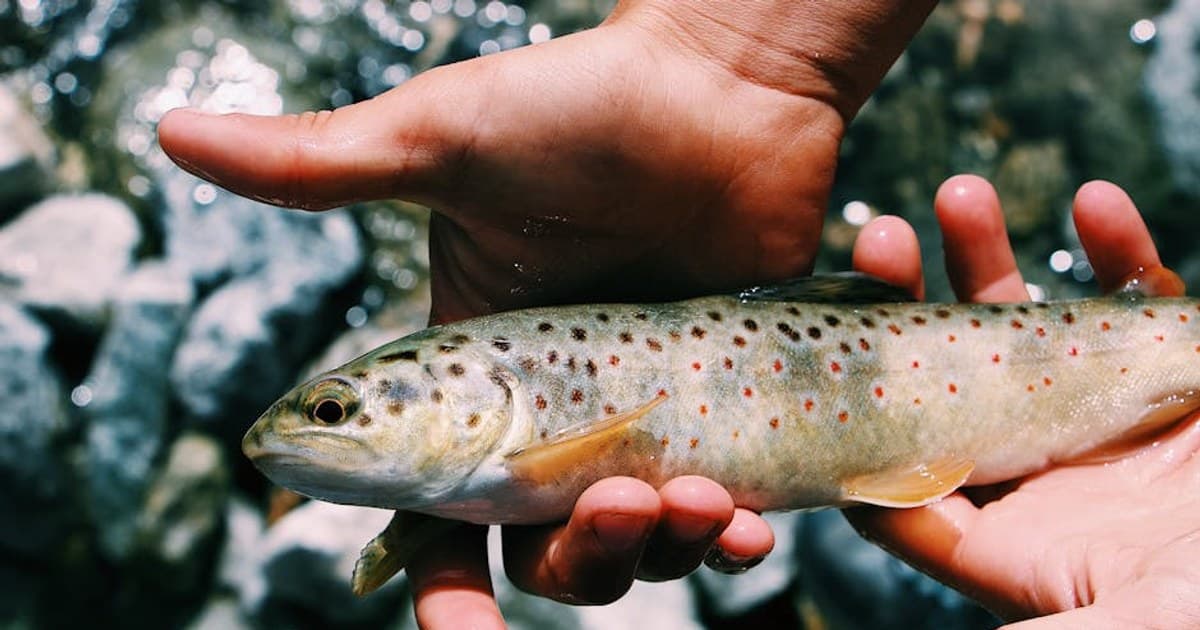
The Catskills are arguably the spiritual home of American dry-fly fishing, and a meaningful part of that heritage lives in the fly-tying tradition. The "Catskill School" of fly tying — sparse, elegant, hackle-forward dry flies tied for the technical wild-trout fishing of the Beaverkill, Willowemoc, and Delaware system — produced patterns that still get fished worldwide: the Quill Gordon, the Hendrickson, the Light Cahill, the Dette family of patterns.
The tradition isn't archaeology. Working tiers in the region today still tie in the Catskill School style, and several regional shops still stock and sell the classic patterns alongside contemporary alternatives.
The Anchor Names
Walt and Winnie Dette founded the Dette Trout Flies operation in Roscoe in 1928, tying for working anglers and visiting fly fishers through the 20th century. The Dette tradition continued through Mary Dette Clark and successive tiers; the brand and patterns are still actively produced. For Catskill School authenticity, Dette patterns are the canonical reference.
Walt Bagley, Harry Darbee, and Elsie Darbee are other names from the foundational era — historic tiers whose patterns still get reproduced. Worth recognizing in shop conversations.
The Catskill Fly Fishing Center & Museum in Livingston Manor maintains the institutional memory of the tradition, with active programs, educational events, and a collection that documents the lineage.
Active Regional Tiers and Shops
Multiple working fly shops across the region tie or stock regional patterns. Names rotate as shops open and close, so check current operations before assuming any specific shop is still active. As of 2026 the better-known options:
- Catskill Fly Shop — focused regional retail
- Beaverkill Angler in Roscoe — full-service shop on the Beaverkill, longtime regional anchor
- Catskill Flies — variations on shop names overlap; ask in town
- Folkert's Fly Shop in Hancock — paired with the Delaware confluence, good for tailwater patterns
Smaller individual tiers operate out of homes and run via word-of-mouth + Catskill Fly Fishing Center Center connections. The shop-clerks at the active retail operations know who's tying what right now.
Patterns Worth Knowing
For Catskill-region fly fishing in 2026, working knowledge of these patterns is reasonable:
Dry flies:
- Quill Gordon (early-season classic)
- Hendrickson (April through May)
- Light Cahill (May through June)
- Sulphur (June)
- Adams (year-round generic)
Nymphs and emergers:
- Hare's Ear nymph (year-round)
- Pheasant Tail nymph (year-round)
- Pat's Rubber Legs (mainstem Delaware)
- WD-40 (Delaware tailwater)
Streamers:
- Conehead muddler (spring high-water)
- Galloup's Sex Dungeon (when the bigger fish are looking)
The Catskill Fly Fishing Center & Museum's Saturday morning fly-tying clinics through the warm months are the cleanest entry point for adults 21+ wanting to learn or refine the craft.
The Cannabis Rule, Plainly
For adults 21+: New York state law prohibits cannabis consumption on state-owned land and in public spaces, and that applies to all river access points and fishing holes. Concentration matters for reading water and for the safety of wading in cold rivers.
Where to Buy
Licensed shops near the tying-class towns, adults 21+ only:
- Livingston Manor / Beaverkill / Willowemoc: MANOR CANNA in Livingston Manor when fully open; broader Sullivan County options for now
- Hancock side: Lively Harvest in Margaretville is the closest licensed shop
Why the Tying Tradition Stays Alive
Most fly-fishing destinations have lost their tying traditions to mass-produced imports. The Catskills haven't, mostly because the heritage was institutionalized early (the Catskill Fly Fishing Center) and because the regional shops kept the patterns in stock and on shop walls. For adults 21+ who want a fly-fishing weekend that's about more than catching fish — that's about understanding why the Catskills matter to the sport at all — the tying side is half the story.
Theo, Editorial Team
Theo covers wellness, effects, and how cannabis fits into specific health and lifestyle goals. Their writing covers medical cannabis programs, sleep and stress, dosing for newer consumers, and the practical patient-facing side of legal markets — from New York's adult-use program to Puerto Rico's medical-only framework.