

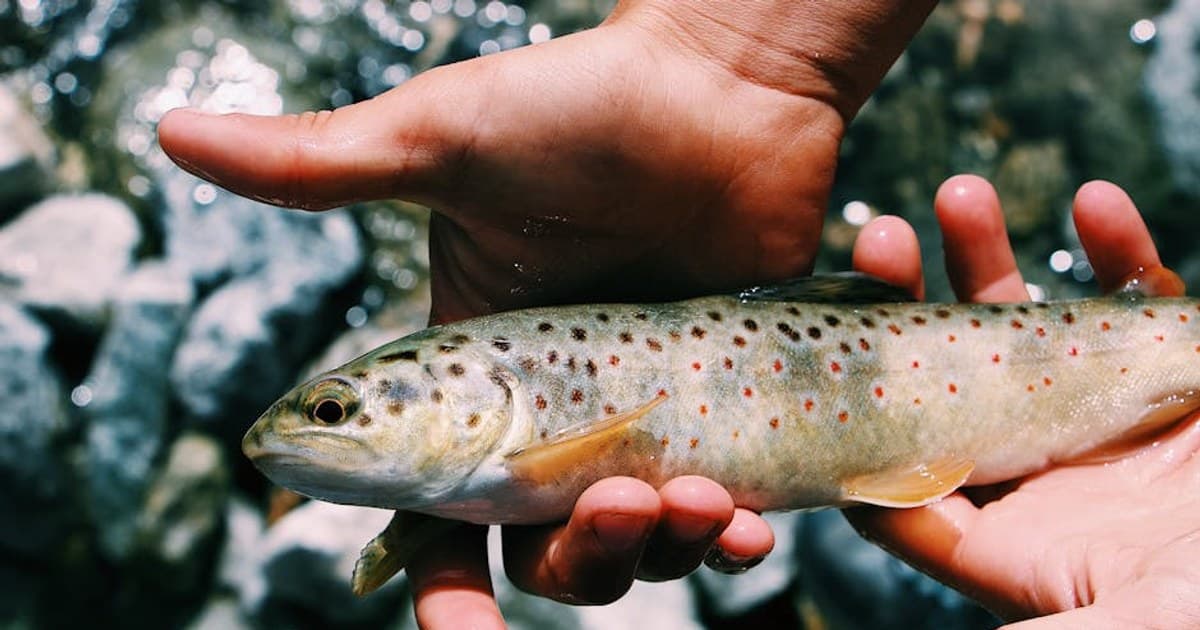
A River, a Rhythm, a Reason to Slow Down
There is a specific kind of hush that settles over the Catskills at first light in April. Mist lifts off the Beaverkill. A handful of trucks sit at pull-offs between Roscoe and Livingston Manor. Somewhere upstream, an angler is already knotting on a Hendrickson, because the Beaverkill and the Willowemoc are, factually, the birthplace of American dry-fly fishing, the quiet mile of water at Junction Pool in Roscoe is where the modern sport took its shape a century ago.
A day on these rivers has its own tempo. You read the water. You stand in the current. You eat a sandwich on a flat rock. You drive back to a cabin that smells like woodsmoke and wet waders. For adults 21 and over who shop the region's licensed dispensaries, the rule on the water is simple: cannabis stays off the river and out of the boat. The rivers come first here, the rules second.
The Law, First
Before anything else, the rules. New York state law prohibits cannabis consumption on state-owned land and in public spaces. That is not a technicality on a fishing trip, it is the whole picture. The Catskill Forest Preserve is state land. DEC Public Fishing Rights easements are state access. The riverbanks along most of the famous pools on the Beaverkill and Willowemoc are state-owned, and even the water itself, when boated, is a public space.
Consumption is legal only on private property where the owner has given permission, which on a trip means the host of the cabin or lodge sets the rule. Drift boats and guide skiffs are not private spaces, and combining cannabis with any boat on moving water is not something to entertain. Buy only from licensed New York retailers. The state Office of Cannabis Management publishes a QR-code verification system, every legal storefront has a unique code you can scan to confirm the license before you walk in.
The Rivers
Beaverkill River
The Beaverkill flows through Roscoe and Livingston Manor and is the river most anglers picture when they picture the Catskills. Junction Pool, at the confluence with the Willowemoc in the middle of Roscoe, is a pilgrimage site. The upper river above Roscoe holds wild browns and rainbows in pocket water; the lower river, the famous "no-kill" stretches downstream, is classic broad-riffle dry-fly water. Access is heavy along Old Route 17 and via DEC Public Fishing Rights easements, all of which are public land.
Willowemoc Creek
The Willowemoc is the Beaverkill's quieter twin. Smaller, more intimate, with a mix of wild and stocked fish, it runs from Livingston Manor upstream toward Willowemoc hamlet. The Covered Bridge Pool and the stretches near the Catskill Fly Fishing Center see steady traffic in hatch season but fish well in the shoulder hours. This is the river most guides put a new angler on first.
East Branch Delaware
The East Branch is a large tailwater fed by releases from the Pepacton Reservoir. It runs past Downsville and down toward Hancock, where it meets the West Branch. Cold water, big browns, long drifts. The water is technical, wade carefully and watch reservoir release schedules.
West Branch Delaware
The West Branch is the other tailwater, fed from Cannonsville Reservoir, and is known for heavy hatches and large, educated wild fish. The float from Deposit down toward Hancock is a classic guide's trip. The West Branch runs cold deep into July, when most freestone rivers are too warm to fish responsibly.
Main Delaware
Below the Hancock confluence, the Main Delaware is the largest water in the system. Wild rainbows are the signature fish. Access here is meaningfully different, a drift boat with a good oarsman opens water you cannot reach wading. Callicoon and Narrowsburg are the downstream anchors; see our hubs on Callicoon and Narrowsburg for town context.
Schoharie Creek
The Schoharie gets far less pressure. It is a freestone stream, warmer in high summer, best in spring and fall. Holds wild browns in pocket water, but closes out earlier in the year than the tailwaters.
Esopus Creek
The Esopus runs through Phoenicia and is a strong early-season and late-fall river, heavily influenced by the Shandaken Portal release. It is a working-man's freestone, wade-accessible, straightforward, and scenic through the Ulster County foothills.
The Seasonal Calendar
Opening Day is April 1, and it is an event in Roscoe the way a home opener is an event in a baseball town. The parking lot at Junction Pool fills, the diner fills, and the river is cold and high.
The Hendrickson hatch runs from mid-April through May and is the first real dry-fly event of the year. The March Brown follows in mid-May, a larger mayfly that brings up bigger fish in the afternoon. Sulphurs come on in June, hatching into dusk, and are the reason many anglers consider June the finest month on the West Branch and the Beaverkill.
July and August shift the rhythm. The Trico hatch is a morning event, small flies, fine tippet, flat water at dawn. Freestone rivers warm; the tailwaters on the Delaware system stay in shape. September brings Blue-Winged Olives, cooler nights, thinning crowds, and some of the most pleasant wading of the year. BWOs carry into October, which is the quiet, golden end of the season.
There is no wrong time to come, but a first trip is probably best scheduled for the Hendrickson through Sulphur window, late April into June, when hatches are predictable and the weather is forgiving.
Where to Stay and Eat
Roscoe calls itself Trout Town USA and earns it. Roscoe has a handful of diners and Dette Flies, a historic fly shop still operating in town. Livingston Manor is the other anchor, with a growing restaurant scene and, critically, the Catskill Fly Fishing Center & Museum on Old Route 17. An afternoon at the museum, the displays of the Dettes' and Darbees' tying benches, the library of hand-tied flies from a century of anglers, is worth building into any trip.
Hancock is the Delaware hub. Fly-fishing lodges cluster along both branches, most of them on private land with long-standing relationships to the rivers. Downsville, on the East Branch, has a small-town feel and shorter drives to the best East Branch water.
For dinner further north, the Andes Hotel in Delaware County has a long-running dining room; further west, Margaretville anchors the upper East Branch corridor near the Pepacton Reservoir (the reservoir itself is closed to fishing, but the rivers feeding and draining it are open).
Lodges and cabin rentals each set their own cannabis policy, and many are smoke-free indoors. Ask the owner directly before you book.
Cannabis and the River
The rule on a Catskills fishing trip is simple: no cannabis on the water, on the bank, or before the drive.
Fishing asks for clear-footed wading in current that will knock you down if you misjudge it. Reading water, mending line, setting a hook, these are focus-dependent tasks. Combining them with cannabis is not the trip. Drift boats and guide skiffs deserve the same firm line: no consumption on the water.
Buy locally. Knotweed Farm in Hancock is a New York micro-business licensee, and co-owner Ben Rinker comes from a river-guide background, if you are fishing the Delaware branches, stopping into Knotweed on the way to or from the water is a short conversation with someone who knows the river. Lively Harvest in Margaretville serves the western Catskills and the upper East Branch corridor. The Green House in Jeffersonville is the Sullivan County option, convenient to the Callicoon stretch of the Main Delaware.
For more on planning a Catskills weekend, see our hubs on wellness retreats and mountain adventures.
Responsible-Use Checklist
- 21 and over only.
- Buy from licensed New York retailers and verify the OCM QR code.
- State land, DEC access sites, and public riverbanks are no-consumption zones. New York state law prohibits cannabis consumption on state-owned land and in public spaces.
- Consumption is legal only on private property, with the owner's permission.
- Never in waders. Never in a boat. Never with a guide on the water.
- Never drive after consuming.
- Secure product away from pets and anyone under 21.
Theo, Editorial Team
Theo covers wellness, effects, and how cannabis fits into specific health and lifestyle goals. Their writing covers medical cannabis programs, sleep and stress, dosing for newer consumers, and the practical patient-facing side of legal markets — from New York's adult-use program to Puerto Rico's medical-only framework.