

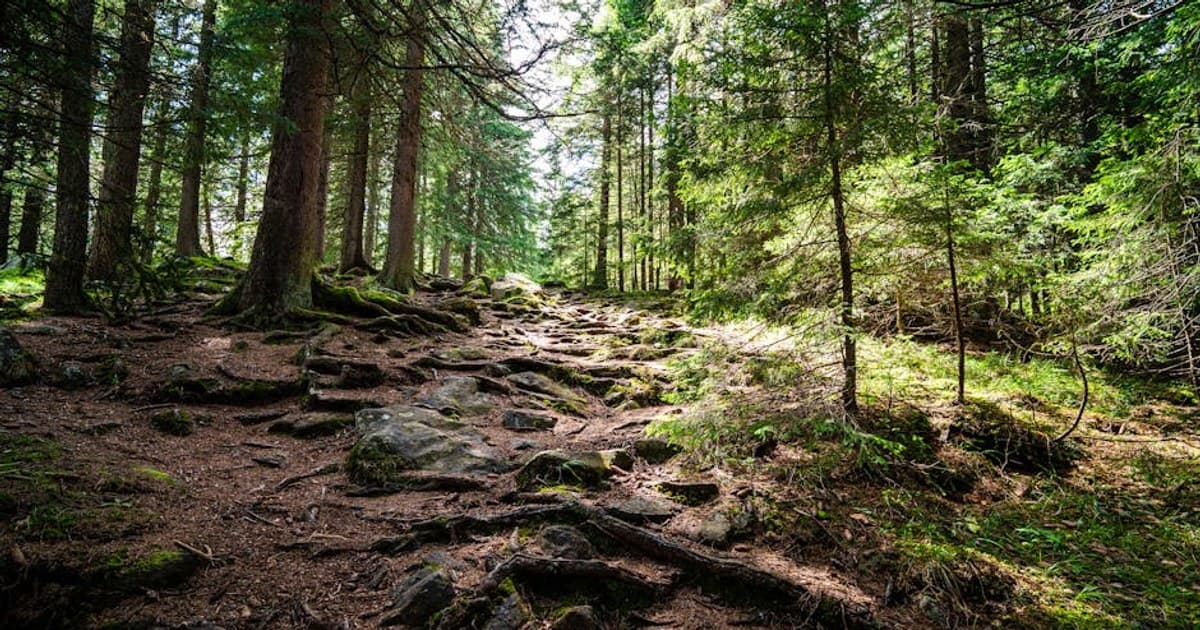
The Catskill Park covers roughly 700,000 acres across Greene, Ulster, Delaware, and Sullivan counties. Thirty-five peaks push above 3,500 feet. On any given weekend from May through October, the Woodland Valley lot is full by nine and the Platte Clove road is a parade of dusty Subarus. A growing share of those hikers are also adults 21+ who shop at the region's licensed dispensaries.
The question isn't whether cannabis and the Catskills overlap. They do. The question is how to keep the two in their separate, legal places, in a way that respects the law, the land, and a mountain that doesn't care how you feel.
Written for 21+ adults who already know these hills a little and want to plan a better day.
The law, first
New York state law prohibits cannabis consumption on state-owned land and in public spaces. Private property, with the owner's permission, is the only legal setting.
That sentence is the whole foundation of this piece. The entire Catskill Forest Preserve, every trailhead, every lean-to, every summit, every pulloff on Route 28, is state-owned land. Kaaterskill Falls is state land. The parking lot at Giant Ledge is state land. The summit of Slide Mountain is state land. There is no legal way to smoke, vape, or eat cannabis on any of it.
What is legal: consumption at a private residence, a cabin you're renting where the host allows it, or a campground on private land with the owner's blessing. A parked, non-running car on private property is different from a parked car at a state trailhead, at the trailhead, you're on public land.
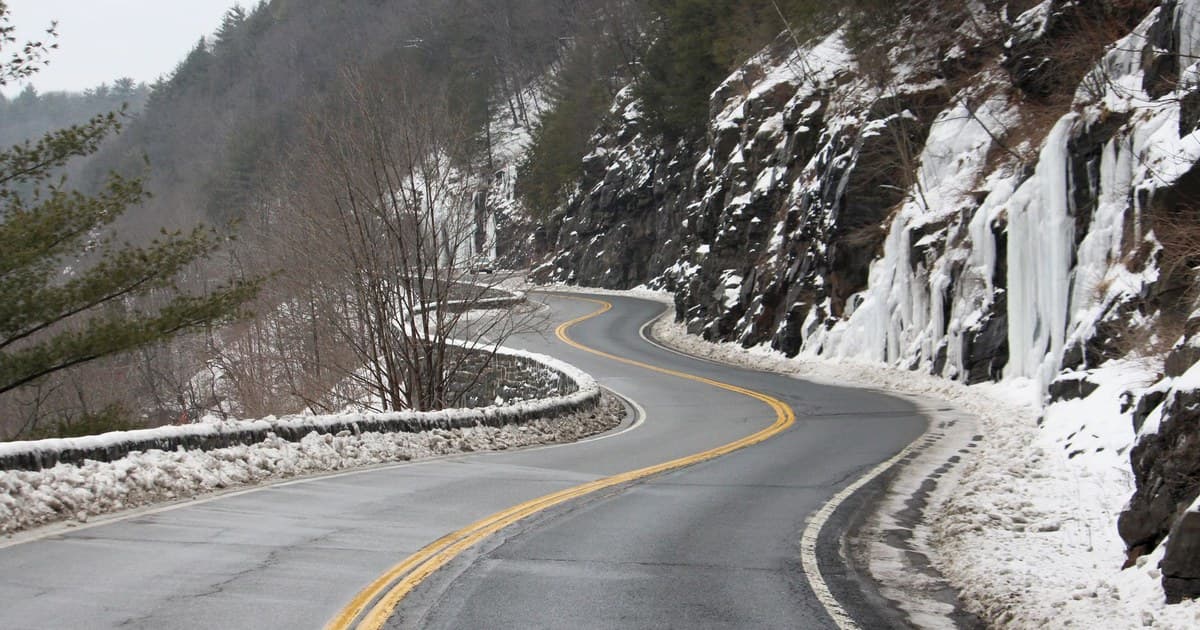
Driving under the influence of cannabis is illegal in New York. Never drive after consuming. The winding sections of 23A, 28, and 42 are not roads to test reaction time on.
If you're picking up before the trip, buy from a licensed retailer and verify licensed status via the OCM QR code at cannabis.ny.gov, it's a quick scan at the door that confirms the shop is legal under New York's adult-use program. Unlicensed storefronts are still common in the region and selling untested product; the tax and testing differences are real.
Planning the day
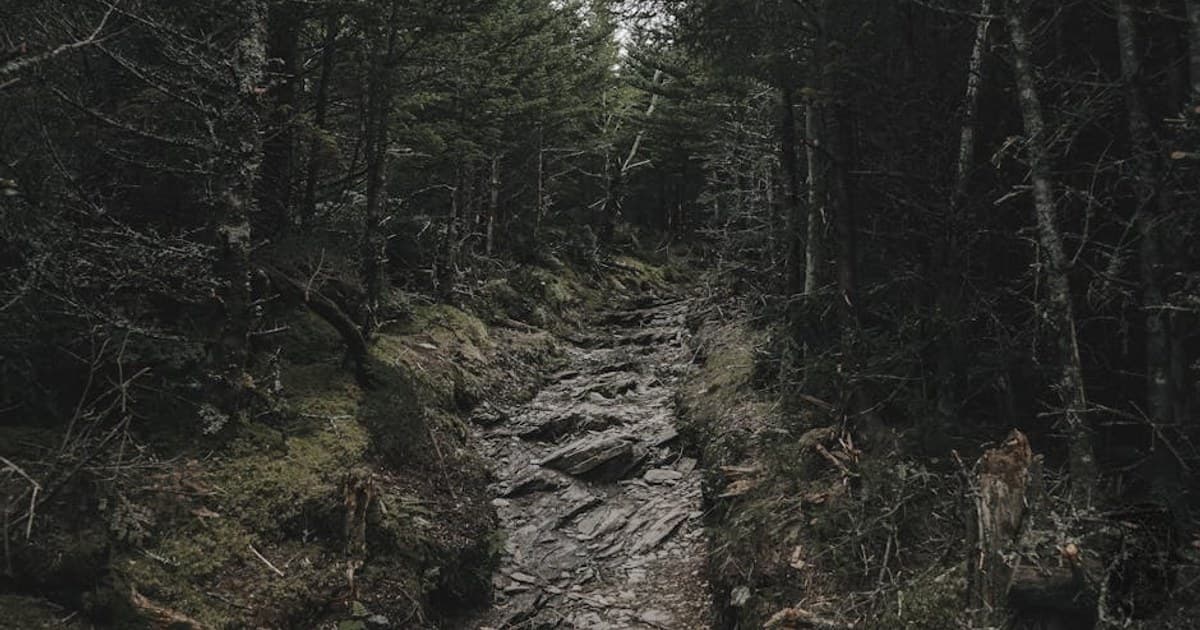
Assume a Catskills day hike is going to demand more of you than the map suggests. The trails here are rocky, often wet, and rarely graded the way newer western trails are. The 1,800-foot climb up to Giant Ledge reads like a moderate afternoon and feels like a stairclimber with ankle hazards. Plan for that first.
Eat breakfast. Drink water before you start drinking water on the trail. Pack more than you think you need, two liters minimum for a half-day, three for anything past the 3,500-foot line.
On cannabis and the trail itself, the answer is short: it stays off the mountain. Every trail in the park is state land, the routes demand a clear head from the first step to the last, and the drive to and from the trailhead needs a driver who hasn't consumed.
What to leave at the rental: anything you bought. A sealed package at the cabin is fine; an open bag in your pack, on public land, is a citation waiting to happen.
Picking a trail for the mood
Not every day in the Catskills is a summit day, and not every mood is a summit mood.
Short and mellow. Kaaterskill Falls from the Laurel House parking area is under a mile round-trip to the upper viewing platform, paved in places, wooden staircases in others, and the two-tiered drop is one of the most photographed waterfalls in the Northeast. Poet's Ledge off the Long Path is a longer stroll with a big view and a fraction of the crowd. For a first-time visitor or a morning when the body is telling you to stay low, these are the right picks.
Medium-ambition day hikes. Giant Ledge from Route 47, above Oliverea and accessible out of Phoenicia, is the classic Catskills introduction to real elevation, about 3.2 miles round-trip to the ledges, with five distinct viewpoints out over the Burroughs Range. Continue to Panther for a bigger day. Overlook Mountain above Woodstock gives you the old hotel ruins, a fire tower, and a view down the Hudson Valley for roughly five miles round-trip on a wide carriage road.
The 3500-Club peaks. Slide Mountain is the roof of the Catskills at 4,180 feet, most commonly climbed from the Woodland Valley trailhead or from Slide Mountain parking on the shorter Curtis-Ormsbee approach. Blackhead, Thomas Cole, and the long northern peaks are serious efforts. The Catskill 3500 Club, 33 peaks over 3,500 feet with four required winter ascents, is a multi-year project for most people who finish it. Climb these clear-headed. The map work, the navigation in fog, and the descents on wet rock don't leave room for compromised judgment.
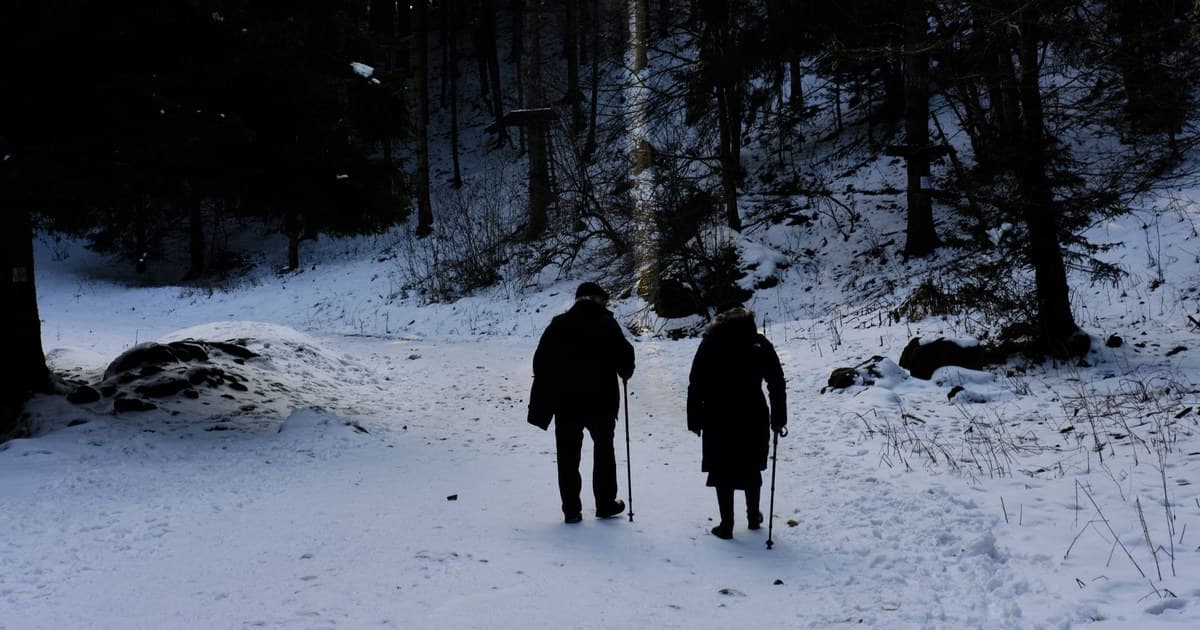
The hard traverses. The Devil's Path across five Greene County peaks (Indian Head, Twin, Sugarloaf, Plateau, and West Kill) is one of the harder day hikes in the eastern United States, roughly 25 miles of rock scrambles, knee-wrecking descents, and a vertical profile that punishes you. It demands a clear head from the first scramble to the last descent. Same with any winter summit attempt.
If you want something quieter, the Willowemoc Wild Forest in Sullivan County offers gentler terrain, fewer crowds, and the kind of slow stream-following walk that pairs well with a good thermos. The five-fire-tower circuit, Overlook, Hunter, Balsam Lake, Red Hill, and Tremper, is a season-long project that covers every quadrant of the park.
On the way home
The reward for a Catskills day is the hour after you take your boots off. A porch, a cold stream, a meal you didn't have to cook.
If you're picking up on the way home, route matters. Coming down the Shawangunk side via Route 213, Back Home Cannabis Co. sits in Stone Ridge as a farmer-run micro where the flower on the shelf started as seed on William Leibee's farm a few miles away. Descending out of the western Catskills along the Delaware, Knotweed Farm in Hancock is a vertically integrated micro run by Ben and Cindy Rinker, Ben is a river guide, which tends to come through in the shop. If you're exiting through the Phoenicia or Hunter corridor, HERbal Woodstock on Tinker Street is the natural stop on the way back toward the Thruway.
Then food. Phoenicia has a handful of kitchens that understand a hungry hiker; Tannersville and Woodstock have more. Or skip all of it and cook at the rental with the windows open.
For travelers putting together a longer stay, the region's growing list of wellness retreats, yoga barns, bathhouses, farm stays, are worth a look. Each sets its own substance policy, so read it before booking.
Responsible use summary
A working checklist for 21+ hikers who want to do this right:
- Private property only, with the owner's permission. State land is off-limits. The entire Catskill Forest Preserve counts as state land.
- Buy licensed. Verify licensed status via the OCM QR code at cannabis.ny.gov.
- Never drive after consuming. Not to the trailhead, not home from it.
- Keep product sealed in its original packaging, at the rental, not in your pack.
- Hike clear-headed. Big peaks and hard traverses doubly so.
- Hydrate harder than you think you need to. Elevation plus effort is a dehydration stack.
- Pack out everything. Wrappers, packaging, the whole kit. The Forest Preserve stays beautiful because people who love it clean up after themselves.
The Catskills reward hikers who pay attention. The same discipline that gets you safely off a summit in a thunderhead is the discipline that keeps the trail and the cannabis in their separate, legal places.
Jay, Editorial Team
Jay pairs cannabis to setting — town guides, dining, festivals, outdoor adventures, and the regional editorial that ties cannabis into specific places and moments. Their writing anchors the town anchors, cabin and lodging coverage, music heritage and Tanglewood-arts pillars, and the lifestyle context that makes a region feel real.