

In this story ▾
- The Beginner Reality
- Gear: What to Start With
- Stretch 1: Lower Willowemoc Near Livingston Manor
- Stretch 2: Esopus Creek — Public Access Between Phoenicia and Mount Tremper
- Stretch 3: Upper Beaverkill at Beaverkill State Campground
- Day-One Expectations
- What to Avoid as a Beginner
- The Cannabis Rule, Plainly
- Where to Buy
- Why the Catskills Are Worth Learning On
The Beginner Reality
The Catskills' fly-fishing reputation is built on technical wild-trout water — small fish, selective hatches, hard-earned strikes. That reputation can scare off beginners who'd actually do fine on the right water.
This is the beginner's entry. Three Catskills stretches that fish well for newcomers (with realistic expectations), what gear to start with, and what to expect on day one.
Gear: What to Start With
For a first Catskills fly-fishing day, you need:
- 9-foot 5-weight rod — the standard regional setup; works for everything from tiny dries to medium streamers. Borrow or rent before buying.
- Floating line, 9-foot 4X leader, 5X tippet. Don't over-engineer the leader on day one.
- A box of basic flies. Adams (#14, #16), Pheasant Tail nymph (#14, #16), Hare's Ear nymph (#14, #16), Olive Wooly Bugger (#10, #12). Dette or any regional shop will sell you a starter kit. Six patterns is more than enough for a first day.
- Waders + boots — borrow, rent, or buy mid-tier (don't go cheap). Felt soles or rubber-with-studs depending on regulation; most New York rivers have invasive-species regulations. Confirm at the shop.
- Polarized sunglasses — non-negotiable. You can't see fish or read water without them.
- Net — small rubber-mesh.
A regional fly shop's "rent + start" package is usually $40–$60 for a day's gear. For first-time visitors who don't yet own equipment, that's the right call.
Stretch 1: Lower Willowemoc Near Livingston Manor
The lower Willowemoc as it runs past Livingston Manor offers shallow accessible water with reasonable feeding lies, plenty of room to learn casting without snags, and modest population pressure outside of peak hatch dates. Public access is well-established near the village. Ideal for first-day basics.
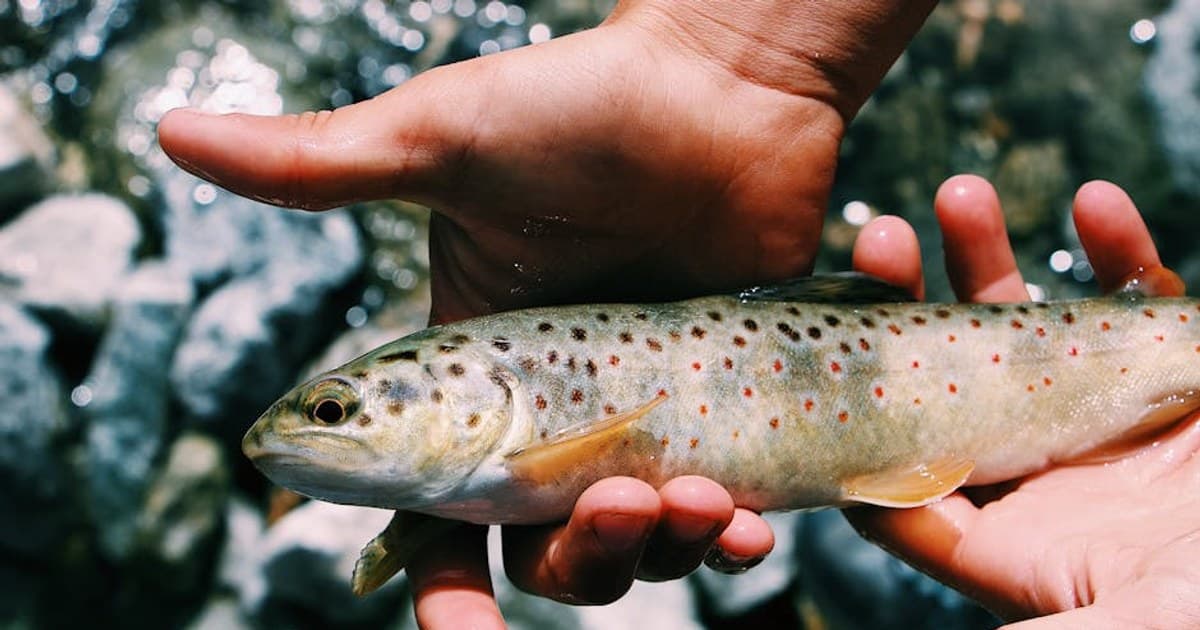
What to expect: 10-to-14-inch wild rainbow and brown trout. Numbers won't be huge but the fish are catchable on basic patterns.
Stretch 2: Esopus Creek — Public Access Between Phoenicia and Mount Tremper
The Esopus is the central-Catskills river that feels more accessible than the Beaverkill / Willowemoc system. Lots of pull-offs along Old Route 28; shallower water in the middle stretches. Wild rainbow trout dominate; some browns.
The Esopus is what's called a "freestone" river — the flow varies dramatically with rainfall and the Ashokan Reservoir release. Beginner advantage: there's often water that's appropriate for skill level somewhere along the corridor. Day-of, ask at the Town Tinker tube rental shop or any regional fly shop for current conditions.
Stretch 3: Upper Beaverkill at Beaverkill State Campground
The upper Beaverkill near the state campground at Lew Beach gives beginners access to wadable, well-marked water with a campground parking infrastructure that simplifies day-of logistics. The campground itself runs day-use access fees during summer.
This stretch fishes harder than Stretch 1 — wild trout that have seen more pressure — but the access ease compensates.
Day-One Expectations
Realistic first-day outcomes for a beginner on Catskills wild-trout water:
- 4–8 hours on the water
- 2–8 strikes if conditions are reasonable
- 1–4 fish actually landed
- 1 lost fly minimum (probably more)
- Possibly zero fish if the day's bug activity is bad
Don't measure success in numbers. Measure it in: did you read water correctly, did you cast accurately to that water, did you mend the line right, did the drift look natural? The fish are the dividend; the technique is the goal.
What to Avoid as a Beginner
- Guided drift-boat days on the mainstem Delaware. That's the technical wild-trout fishery; beginner water it isn't. Save it for trip 5 or 6.
- Hatch chasing. First-day beginners trying to "match the hatch" in May are setting themselves up for frustration. Stick to attractor patterns (Adams, Wooly Bugger).
- Fishing alone on remote water. Get comfortable on accessible stretches near villages first.
The Cannabis Rule, Plainly
For adults 21+ on a first fly-fishing day: New York state law prohibits cannabis consumption on state-owned land and in public spaces, and that includes river access. Wading cold water in waders requires balance, judgment, and reaction time.
Where to Buy
For a beginner's Catskills fly-fishing weekend:
- Livingston Manor / Willowemoc-side: MANOR CANNA when fully operational; broader Sullivan options
- Phoenicia / Esopus-side: HERbal in Woodstock or Wintergreen in Tannersville depending on cabin location
Why the Catskills Are Worth Learning On
The argument for learning fly fishing in the Catskills (rather than easier Western water): the technical baseline raises your skill faster. Catskills wild trout hold you to higher standards earlier. Adults 21+ who put in 5–10 days here in their first season come out as more capable anglers than they would from twice as many days on stocked Western tailwater. The fishing is hard; the learning is real.
Theo, Editorial Team
Theo covers wellness, effects, and how cannabis fits into specific health and lifestyle goals. Their writing covers medical cannabis programs, sleep and stress, dosing for newer consumers, and the practical patient-facing side of legal markets — from New York's adult-use program to Puerto Rico's medical-only framework.